Membrane materials need to maintain their structure during filtration, cleaning, temperature changes, and continuous operation. This makes material stability an important consideration when selecting a polymer for membrane production.
PES provides a combination of mechanical performance, thermal stability, chemical resistance, and filtration properties that makes it suitable for a range of membrane applications. Understanding these characteristics can help engineers evaluate whether PES fits the requirements of a specific filtration process.
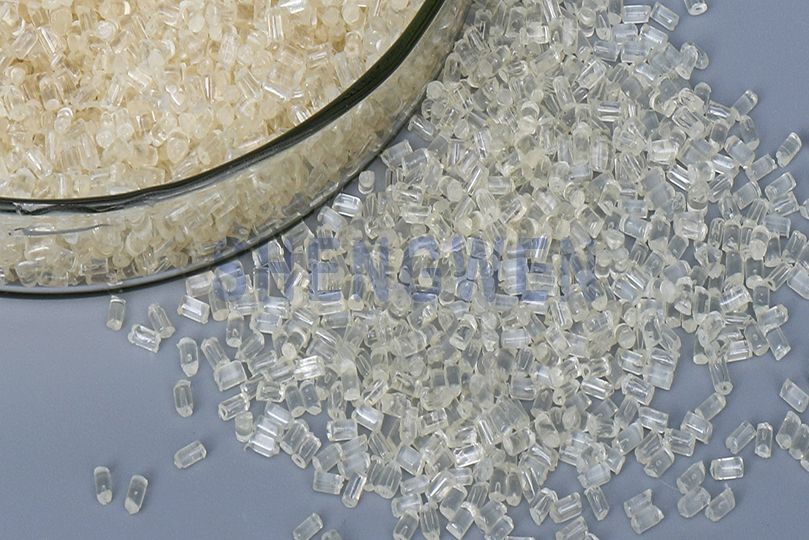
Polyethersulfone (PES) is an amorphous engineering polymer with an aromatic structure containing sulfone and ether groups. This molecular structure contributes to its mechanical strength, rigidity, chemical resistance, and dimensional stability.
These characteristics provide a stable material foundation for membrane production. The strength of a finished membrane also depends on factors such as membrane thickness, pore structure, processing conditions, and support design.
For applications requiring a combination of mechanical and thermal properties, PES material is available in several grades with different property profiles.
Tuntun Plastic's PES technical data sheet lists the following typical properties for selected grades:
| Property | Standard PES | F2150 GL20 |
| Tensile strength | 88 MPa | 125 MPa |
| Tensile modulus | 2700 MPa | 6900 MPa |
| Flexural strength | 120 MPa | 150 MPa |
| Flexural modulus | 2650 MPa | 6500 MPa |
| HDT/A | 205°C | 220°C |
These values describe resin grades rather than finished membrane performance. The mechanical properties of a finished PES membrane depend on its formulation, structure, thickness, and manufacturing process.
PES provides good chemical resistance, which is useful for filtration systems exposed to process fluids and cleaning conditions.
Its chemical stability can help maintain membrane integrity during normal operation. However, compatibility should still be evaluated according to the specific chemical, concentration, temperature, and exposure time.
PES also provides strong thermal performance. Standard PES grades listed by Tuntun Plastic have an HDT/A of 205°C and a glass transition temperature of approximately 225°C.
This thermal stability supports membrane applications involving elevated temperatures and high temperature disinfection. The actual temperature limit of a finished membrane system should be confirmed according to its membrane structure and other system components.
PES has hydrophilic characteristics that support its use in filtration membranes. Combined with its mechanical and chemical properties, this helps PES provide a useful balance between liquid interaction and structural stability.
The final filtration performance still depends on the membrane formulation, pore structure, and manufacturing process.
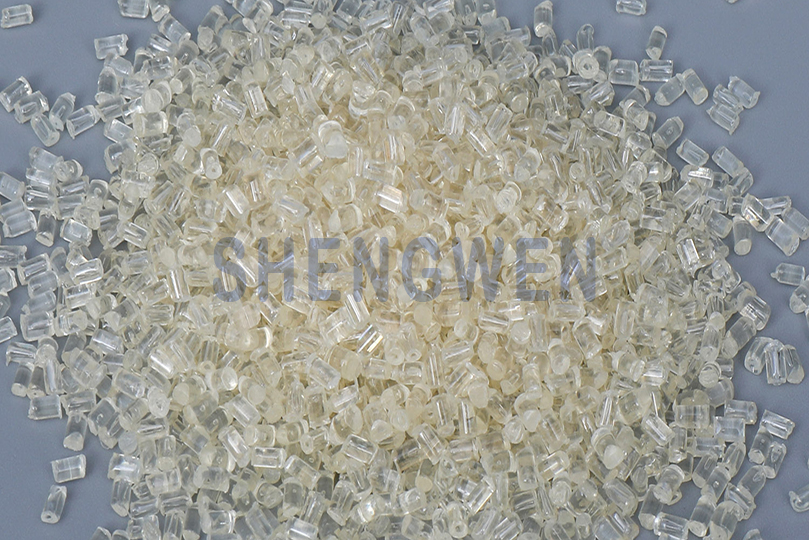
PES can be processed into hollow fiber membranes for filtration applications. Its mechanical properties and processing characteristics allow it to form membrane structures suitable for demanding filtration environments.
The final performance depends on membrane geometry, wall thickness, pore structure, and production conditions rather than the polymer alone.
PES is used in membrane applications for water treatment and liquid filtration. Its combination of chemical resistance, hydrophilic properties, mechanical performance, and thermal stability makes it suitable for systems where consistent filtration performance is required.
Tuntun Plastic's membrane filtration applications information also identifies PES for hollow fiber and hemodialysis membrane applications.
PES is used in medical and pharmaceutical filtration applications where material stability and filtration performance are important.
According to Tuntun Plastic, PES has passed relevant medical certification and can be used for applications including hollow fiber membranes and hemodialysis membranes. Specific grades and finished membrane products should still be evaluated according to the requirements of the intended application.
Start with the mechanical conditions the membrane will experience during production and operation. Pressure, flow conditions, membrane geometry, thickness, and support structure can all influence the required strength.
Resin tensile and flexural properties provide a useful starting point, but they should not be treated as direct measurements of finished membrane strength.
The process environment should be evaluated before selecting a PES grade. Consider the process liquid, cleaning chemicals, operating temperature, exposure time, and sterilization conditions.
PES provides good chemical resistance and thermal stability, but the complete operating range should be confirmed for the specific grade and membrane construction.
The membrane production method can also affect final performance. Polymer concentration, pore formation, membrane thickness, and processing conditions can influence the balance between permeability and mechanical integrity.
Selecting a PES grade should therefore consider both resin properties and the intended membrane manufacturing process.
For more information about PES in medical and industrial filtration, see PES membrane technology.
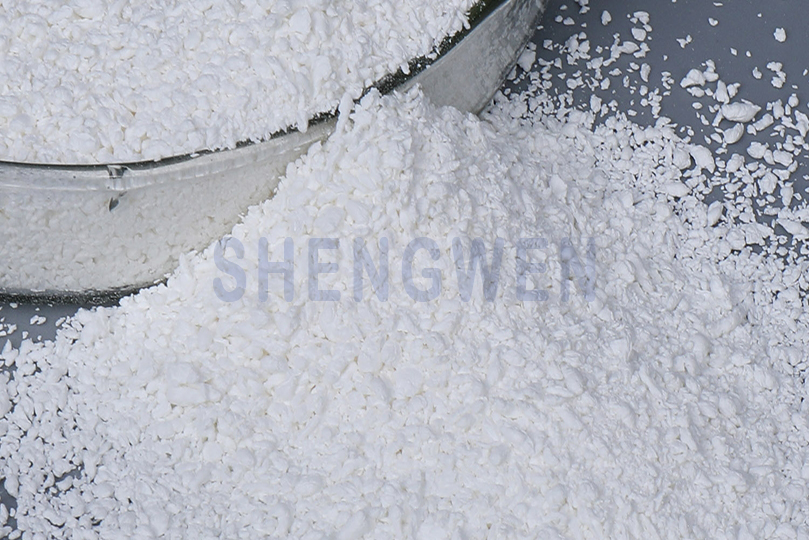
PES combines mechanical strength, thermal stability, chemical resistance, and suitable filtration properties, making it suitable for a range of membrane applications.
For a specific filtration project, the PES grade and membrane structure should be selected according to the actual process conditions. For grade selection or application requirements, contact Tuntun Plastic to confirm the appropriate specifications.
By continuing to use the site you agree to our privacy policy Terms and Conditions.