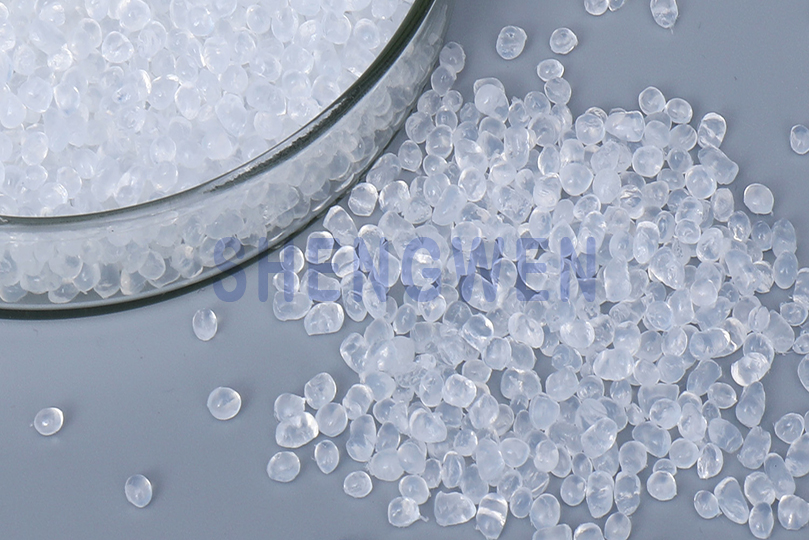
Choosing PEBA material for an engineering application requires more than selecting a material with a suitable hardness. The grade also needs to match the required weight, flexibility, operating conditions, and manufacturing process.
For engineers comparing PEBA grades, a clear selection process can reduce unnecessary material trials and help define the right specification before production. The following guide focuses on the practical factors to review when selecting PEBA material.
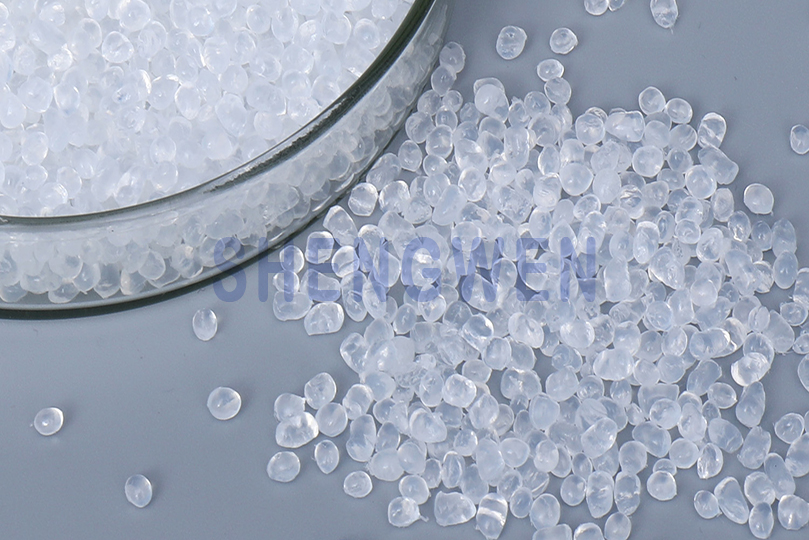
PEBA selection can start with a few basic requirements. Hardness, density, temperature range, and processing method provide a practical basis for narrowing down available grades.
PEBA is available in a range of Shore hardness grades. Tuntun Plastic's PEBA materials cover approximately 40 to 72D, allowing engineers to select different hardness levels according to the flexibility and rigidity required by the finished part.
Hardness should be considered together with the other material requirements rather than used as the only selection criterion.
Density is another useful factor when material weight is important. The listed PEBA grades range from approximately 1.03 to 1.08 g/cm³.
Comparing hardness and density together can help engineers identify a suitable starting grade for weight-sensitive components.
PEBA is designed for a broad operating temperature range of approximately −40°C to 120°C. It also offers low-temperature performance, flexibility, weathering resistance, and chemical resistance.
The expected operating environment should be defined before selecting a grade. More information about the material can be found in the manufacturer's overview of PEBA material properties.
Once the application requirements are defined, engineers can compare individual grades by hardness and density. The following grades provide a starting point for material selection.
| Grade | Hardness | Density |
| K1250 | 50 ± 3D | 1.08 g/cm³ |
| K1255 | 55 ± 3D | 1.06 g/cm³ |
| K1262 | 62 ± 3D | 1.05 g/cm³ |
| K1270 | 70 ± 3D | 1.04 g/cm³ |
| K1272 | 72 ± 3D | 1.03 g/cm³ |
These values are typical values provided by the manufacturer and should be used as an initial reference rather than a final specification. The complete PEBA grades can be reviewed before selecting a material for a specific project.
The required grade depends on the finished component and its working conditions. Applications such as automotive tubing, sports products, cable wrapping, and smart wear can have different requirements for flexibility, hardness, and environmental resistance.
Engineers should define the requirements of the finished part first and then compare the available grades.
PEBA can be processed through extrusion, injection molding, and foaming molding. The processing method should therefore be confirmed before the final grade is selected.
The selected material should be evaluated under the actual processing conditions used for the project.
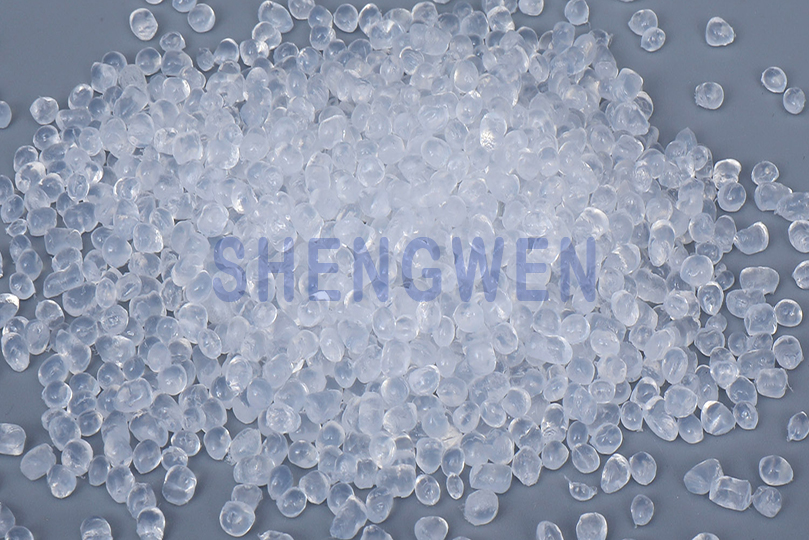
PEBA selection should consider the requirements of the finished part as well as the material's processing characteristics. A few common mistakes can lead to unnecessary material trials or production adjustments.
A suitable Shore hardness does not automatically mean that a PEBA grade is suitable for the application. Engineers should also consider density, flexibility, temperature requirements, environmental exposure, and the intended processing method.
The selected grade should match the actual requirements of the part rather than being chosen based on hardness alone.
PEBA has moisture absorption characteristics and should be dried before processing. Improper drying or storage can affect processing stability and finished part quality.
Engineers should establish suitable drying and storage procedures according to the selected grade and the manufacturer's recommendations.
Technical data can help engineers compare PEBA grades during material selection, but the actual processing conditions may vary according to the grade, equipment, mold, and production setup.
Production trials should therefore be used to confirm suitable processing conditions before mass production.
A sample trial can help engineers evaluate whether the selected PEBA grade is suitable before placing a larger order. Tuntun Plastic states that 3 kg samples can be supplied from stock within 5 working days.
Testing a sample can help confirm basic processing behavior and part performance while reducing the risk of selecting an unsuitable grade for production.
Once the material requirements are clear, engineers should also confirm supply and customization details before placing an order.
Confirm that the required PEBA grade and quantity are available before arranging production. Sample availability can also help engineers complete initial material testing before moving to a larger order.
Some applications may require specific colors or modified material properties. Tuntun Plastic provides customized material services, allowing project requirements to be discussed before the final material specification is confirmed.
For customized PEBA, engineers should confirm the required properties and application conditions in advance so that the material specification is clear before production.
The technical data should be reviewed together with the selected grade to ensure that the material being tested matches the intended production specification.
Keeping the relevant technical information with the sample and material specification can also make it easier to compare trial results before mass production.
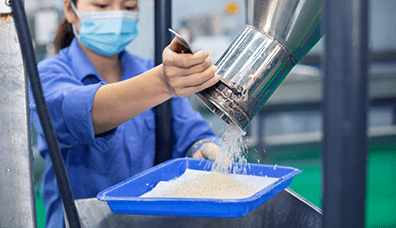
PEBA processing conditions vary according to the material grade, equipment, mold, and production setup. The manufacturer's technical data sheet provides reference information for drying and injection processing, but these values should not be treated as universal production settings.
The parameters in the PEBA technical data sheet are provided for reference only. Engineers should confirm the applicable processing conditions with Tuntun Plastic based on the selected grade and actual production equipment before processing.
PEBA selection should be based on the application's material requirements, sample testing, grade availability, and customization needs. Tuntun Plastic provides PEBA grades, sample supply, and customized material services to support different project requirements.
For grade selection, sample requests, or customized PEBA requirements, engineers can contact Tuntun Plastic for further information.
The PEBA grades listed by Tuntun Plastic cover approximately 40 to 72D. Specific grades include K1250, K1255, K1262, K1270, and K1272.
Consider the required hardness and density first, then evaluate the operating environment and processing requirements. Sample testing can help verify whether the selected grade is suitable for the intended application.
Yes. Appropriate drying is required before processing. The exact drying conditions should be confirmed according to the selected grade and actual processing equipment.
PEBA material selection should begin with the requirements of the finished part, followed by comparison of hardness, density, operating conditions, and processing requirements.
Tuntun Plastic provides PEBA grades in different hardness and density ranges, with sample availability and customization options. For a specific grade, quantity, or processing requirement, contact Tuntun Plastic for technical information and project support.
By continuing to use the site you agree to our privacy policy Terms and Conditions.