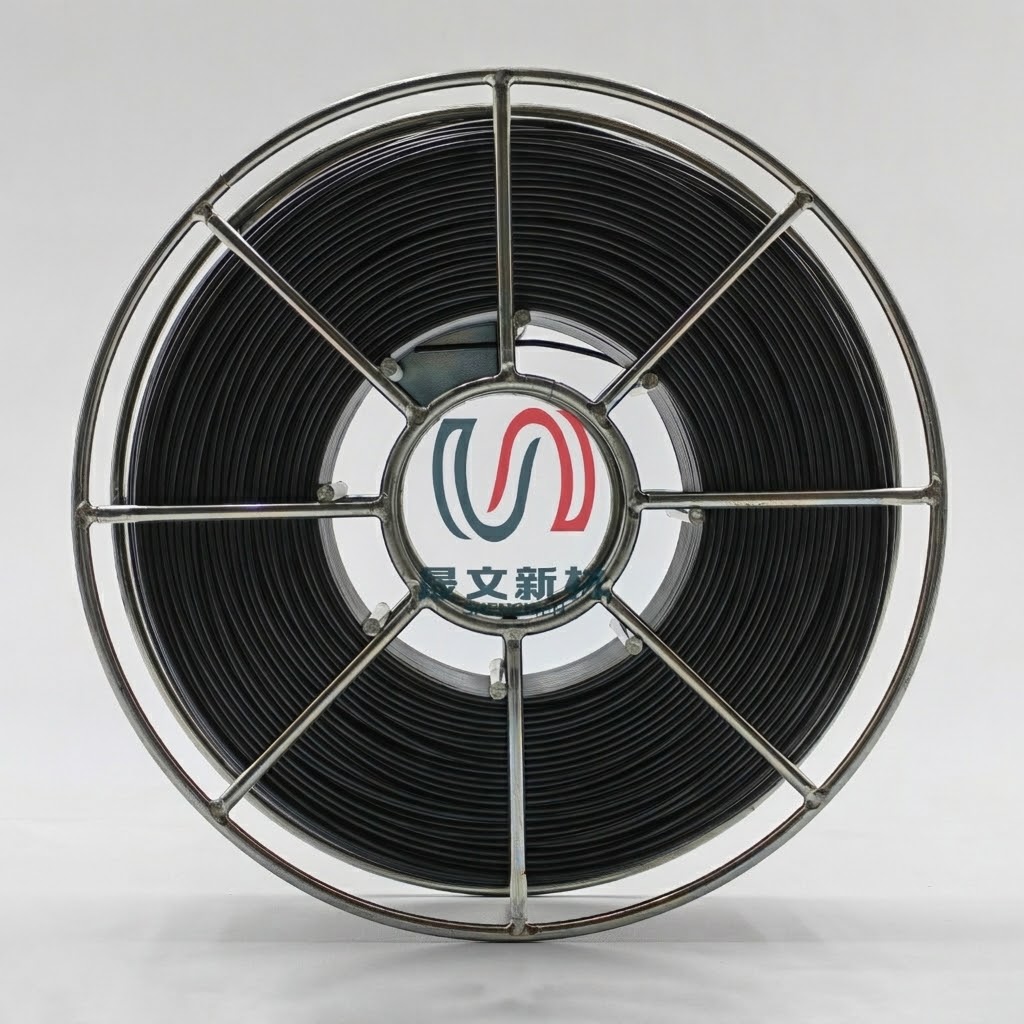
Engineers operating in chemical processing, automotive systems, and high voltage electronics frequently face a persistent challenge. Traditional 3D printing polymers collapse under elevated thermal loads or degrade when exposed to harsh solvents.
While ultra high performance plastics can meet these physical demands, their high material costs often make prototyping and medium scale component production economically impractical.
Polyphenylene sulfide filament addresses this performance gap by offering exceptional thermal endurance and complete chemical inertness at a manageable cost. By delivering structural stability at temperatures exceeding 200 degrees Celsius, this advanced thermoplastic enables industrial teams to produce functional parts that withstand real world operational environments.
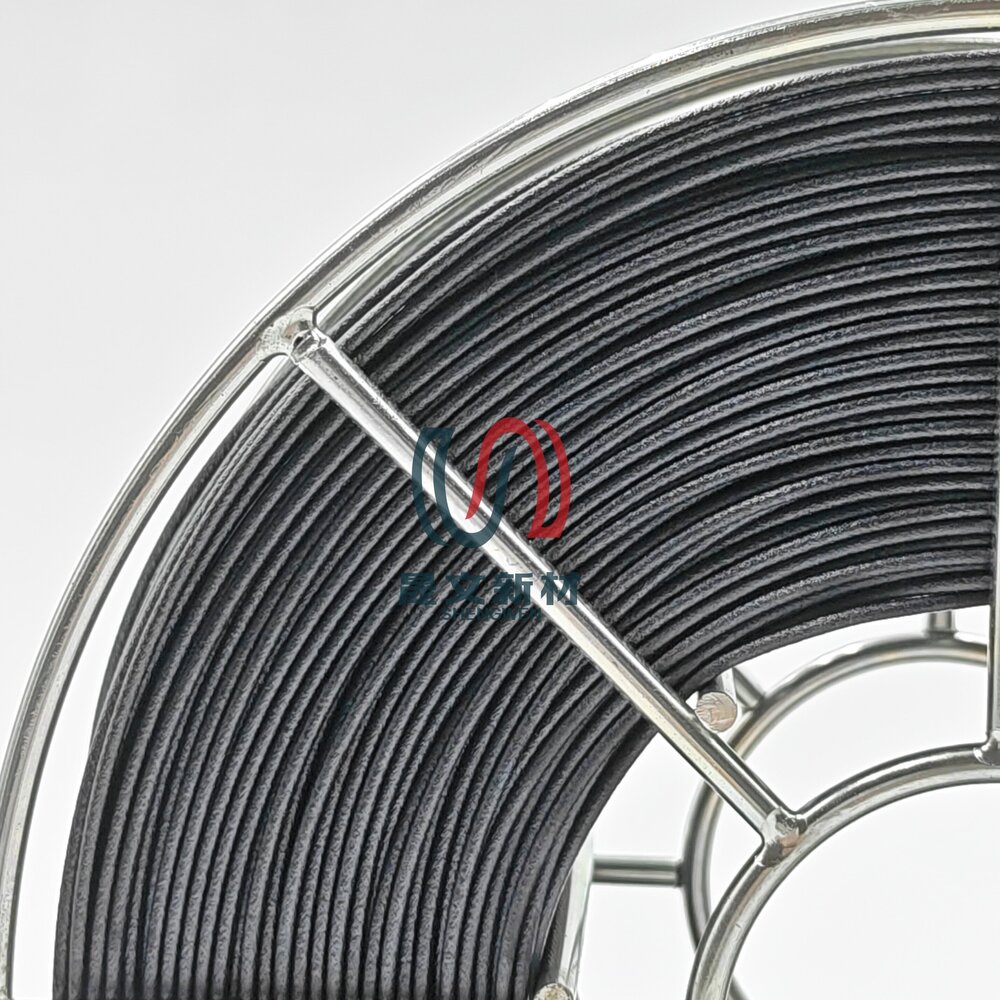
Industrial components must maintain structural integrity under continuous thermal stress, mechanical friction, and aggressive chemical exposure. Polyphenylene sulfide stands out among engineering thermoplastics because its rigid molecular structure resists physical deformation even under long term continuous heat. Fabricators evaluating advanced materials often utilize PPS filament to build structural housings, pump components, and fluid handling systems that operate reliably where common polymers fail.
Thermal Thresholds: Continuous service temperature reaches up to 220 degrees Celsius, with heat deflection values scaling significantly higher following proper crystallization.
Flame Resistance: Inherently flame retardant without additive halogenated compounds, achieving an industry standard UL94 V-0 safety rating.
Moisture Stability: Extremely low water absorption ensures electrical insulation values and physical dimensions remain unchanged in humid working environments.
Solvent Immunity: No known chemical solvent can dissolve this resin at operating temperatures below 200 degrees Celsius.
Fluid Compatibility: Highly resistant to automotive fuels, synthetic oils, strong acids, alkalis, and industrial cleaning agents.
Reinforced Variations: Glass or carbon fiber additions like PPS CF10% and PPS GF10% preserve chemical immunity while boosting tensile modulus and wear resistance.
Having established the foundational material characteristics of polyphenylene sulfide, it becomes necessary to look at the specific equipment configurations required to process this polymer successfully.
Extruding high temperature thermoplastics requires precise thermal management and dedicated hardware configurations. Standard desktop printers lack the thermal output needed to melt the resin fully or control the cooling process, which frequently leads to layer separation and part distortion.
All Metal Hotend: Capable of maintaining consistent extrusion temperatures between 300 and 340 degrees Celsius without PTFE liner degradation.
Hardened Steel Nozzle: Essential when extruding fiber reinforced composite grades to prevent rapid nozzle orifice wear.
Heated Build Chamber: Enclosures maintained between 60 and 90 degrees Celsius prevent thermal shock and reduce internal stress during printing.
Extrusion Temperature: Set hotend between 310 and 330 degrees Celsius for unfilled resin, or up to 340 degrees Celsius for reinforced blends.
Bed Temperature: Maintain the print platform at 100 to 120 degrees Celsius to ensure initial layer adhesion.
Print Velocity: Keep travel speeds moderate between 30 and 50 millimeters per second with cooling fans completely turned off.
The printing parameters and thermal settings listed above are intended as general reference guidelines only. Optimal processing conditions may vary depending on your specific printer hardware, nozzle geometry, environment, and specific filament grade. For precise printing profile recommendations or technical guidance tailored to your setup, please contact our engineering support team directly.
Selecting the ideal thermoplastic requires balancing thermal thresholds, mechanical strength, and material acquisition costs. Engineers regularly compare polyphenylene sulfide against other high temperature options to determine the most cost effective solution for their application requirements.
Polyetheretherketone offers higher continuous thermal ratings around 260 degrees Celsius and supreme tensile strength, yet its raw material price remains high. Polyetherimide delivers high heat resistance and flame retardancy with a glass transition temperature of 217 degrees Celsius, but polyphenylene sulfide exhibits superior resistance to aggressive chemical solvents.
| Material | Continuous Temperature | Primary Strength | Relative Cost |
| PPS | 200°C to 220°C | Chemical Resistance & Low Water Absorption | Moderate |
| PEEK | ~260°C | Extreme Tensile Strength & Mechanical Endurance | High |
| PEI | 170°C to 200°C | Flame Retardancy & Electrical Insulation | Medium |
Choosing 3D printing filament manufactured from polyphenylene sulfide provides an efficient balance between capability and expense. Lower processing temperatures relative to alternative high performance materials reduce hardware wear and lower total manufacturing costs during part production.
Understanding these material performance trade offs helps clarify where these components deliver the greatest operational value across real world industrial environments.
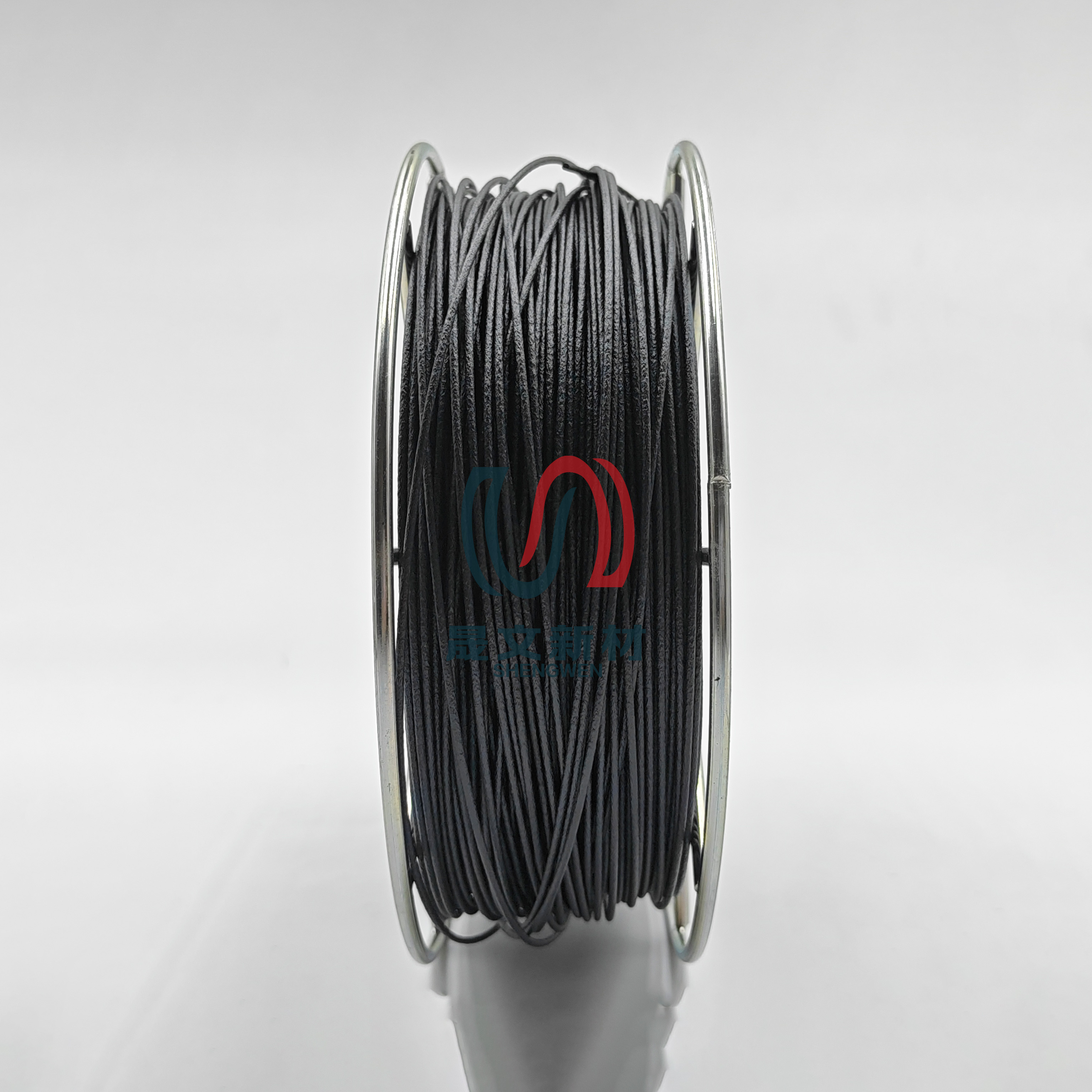
The combination of chemical inertness, high heat resistance, and low moisture absorption makes this material suitable for demanding working conditions. Industrial operations deploy these printed components to replace machined metal parts, reducing overall assembly weight while maintaining long term durability.
Automotive: Under hood bracketry, sensor mounts, fuel line connectors, and emission control parts exposed to hot oil and fuel vapor.
Aerospace: Air ducting, electrical isolation housings, and lightweight internal brackets requiring low outgassing and flame resistance.
Electronics: High voltage switchgear insulators, circuit board connectors, terminal blocks, and coil bobbins.
Industrial Processing: Pump impellers, valve bodies, filtration manifolds, and fluid handling components exposed to aggressive chemicals.
Material suppliers manufacture comprehensive lines of advanced stock shapes alongside filaments, including semi finished PEEK Rods & Boards for subtractive machining requirements.
Beyond selecting the material and printing the geometry, achieving maximum mechanical strength requires a crucial post processing phase.
As extruded components exit the nozzle, rapid cooling leaves the polymer structure partially amorphous, which limits its final heat deflection temperature. Thermal post annealing allows the internal polymer chains to realign into a fully crystalline state, unlocking the maximum physical capabilities of the material.
Thermal Upgrade: Post annealing increases the final heat deflection value up to the rated maximum threshold.
Mechanical Strength: Crystallization improves tensile modulus, flexural strength, and overall resistance to continuous load deformation.
Chemical Immunity: Realigned polymer chains prevent chemical agents from penetrating the internal microstructure of the component.
Dimensional Scaling: Scale model geometries up by 1.2 percent to 2.0 percent in the slicer software to compensate for thermal crystallization shrinkage.
Initial Stress Relief: Heat the component in a convection oven from room temperature to 130 degrees Celsius at 2 degrees per minute, holding for 30 minutes.
Crystallization Phase: Raise the temperature to 180 degrees Celsius and hold for 2 to 4 hours based on wall thickness.
Controlled Cooling: Cool the oven back down to room temperature slowly at 1 degree per minute to prevent part warping.
Polyphenylene sulfide offers a balanced combination of extreme thermal stability, chemical resistance, and dimensional integrity for demanding industrial additive manufacturing. By implementing proper printer configurations, precise extrusion settings, and structured post annealing procedures, engineering teams can regularly produce reliable end use components for severe working conditions.
To explore custom engineering plastic options or to discuss specific component requirements for your upcoming projects, reach out to our technical team today through our 3D printing material catalog to receive direct material selection guidance and engineering support.
By continuing to use the site you agree to our privacy policy Terms and Conditions.