Replacing structural metal alloys with high performance polymers allows engineering teams to drastically reduce component weight without sacrificing mechanical integrity. However, transitioning from machined aluminum or titanium to advanced additive manufacturing often presents steep process control challenges. High failure rates, internal part stress, and inconsistent layer bonding continue to drain operational budgets when extruding heat resistant thermoplastics.
Polyetherimide stands out as an optimal solution for demanding structural applications. Achieving consistent production outcomes requires a clear understanding of thermal dynamics, glass transition limits, and moisture management when extruding high performance thermoplastics.
Having outlined the general manufacturing landscape, we must examine the specific molecular characteristics that give this polymer its exceptional physical properties. Polyetherimide belongs to the amorphous thermoplastic family, defined by a chemical structure that delivers balanced mechanical strength, high dielectric performance, and thermal tolerance without crystallization complications. Rigid aromatic imide units in its backbone ensure structural stability at elevated temperatures, while flexible ether linkages provide the required melt flow behavior during extrusion.
The repeating imide and ether linkages create robust molecular chains that resist thermal degradation under extreme loading conditions. Unfilled formulations feature a glass transition temperature of 217°C, allowing printed components to maintain high creep resistance and dimensional stability under elevated service temperatures where standard engineering plastics soften.
Polyetherimide exhibits inherent flame resistance without requiring non halogenated chemical additives, achieving a UL94 V-0 flammability rating. The material limits thermal heat release and produces minimal smoke toxicity during combustion, making it a critical choice for enclosed passenger transport spaces.
The amorphous resin matrix provides broad resistance to commercial automotive fluids, alcohols, aqueous solutions, and acidic agents. Selecting high performance PEI formulations ensures long term structural integrity in environments exposed to aggressive cleaning agents or chemical exposure.
Having established its core material capabilities, successful deployment depends entirely on matching these properties with appropriate industrial hardware.
Processing high performance amorphous polymers demands precise thermal management across every zone of the extrusion system. Standard desktop 3D printers cannot sustain the extreme temperatures required to soften polyetherimide chains, leading to cold extrusion jams or immediate print failure. Maintaining accurate thermal environments prevents rapid volumetric contraction, which is the primary cause of severe part warping and layer separation.
Extrusion hotends must reliably operate between 350°C and 400°C using hardened steel or ruby nozzles to maintain steady heat transfer and resist abrasive wear. Build platforms require active heating between 140°C and 160°C to lock initial layers and minimize base plate shear stress.
Enclosed build chambers must actively maintain ambient temperatures between 90°C and 120°C. Active chamber heating prevents steep thermal gradients across build layers, reducing internal thermal stress during part growth.
High temperature polyimide films, specialized liquid adhesives, or dedicated build sheets ensure reliable initial adhesion and prevent corner lifting during extended print cycles.
Optimizing hardware settings provides the necessary thermal foundation, yet material handling protocols remain equally vital to part quality.
Uncontrolled moisture content and improper post processing profiles represent two major hidden causes of component failure during industrial extrusion. Although solid components resist water absorption during operational service, raw filament actively absorbs ambient humidity from surrounding air. Extruding damp spools induces hydrolysis at elevated temperatures, breaking polymer chains and reducing final tensile performance by up to 30 percent.
Bake spools inside a dedicated convection dryer at 110°C to 120°C for 6 to 8 hours prior to printing. Running filament directly from enclosed dry boxes that maintain relative humidity below 10 percent prevents hydrolytic chain scission during the melt cycle.
Ramp temperatures gradually inside an oven to 150°C, hold for two hours, then elevate to 200°C before stepping down slowly to room temperature. This controlled thermal process relieves residual stresses introduced during rapid layer deposition, ensuring ultimate dimensional accuracy.
Understanding these processing requirements helps clarify how different material grades perform under specialized operational conditions.
Choosing appropriate materials requires balancing thermal boundaries, mechanical stiffness, and melt flow complexity. Natural formulations offer high dielectric strength and simple processing without fiber interference. Conversely, glass fiber additives significantly boost flexural modulus, while high flow modifications assist in processing intricate geometries using advanced 3D printing filament technology.
| Material Grade | Filler Content | Key Processing Feature | Thermal Capability | Primary Mechanical Advantage | Target Application Scope |
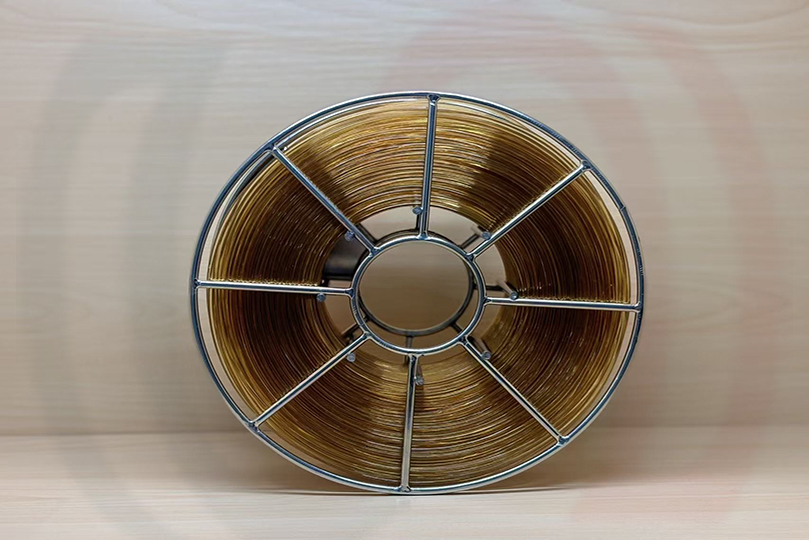
| PEI Natural | Unfilled | Excellent dielectric insulation; transparent amber shade | Glass transition temp at 217°C; UL94 V-0 flame rated | High ductility, impact resistance, and continuous strength | Electrical enclosures, clear manifolds, general brackets |
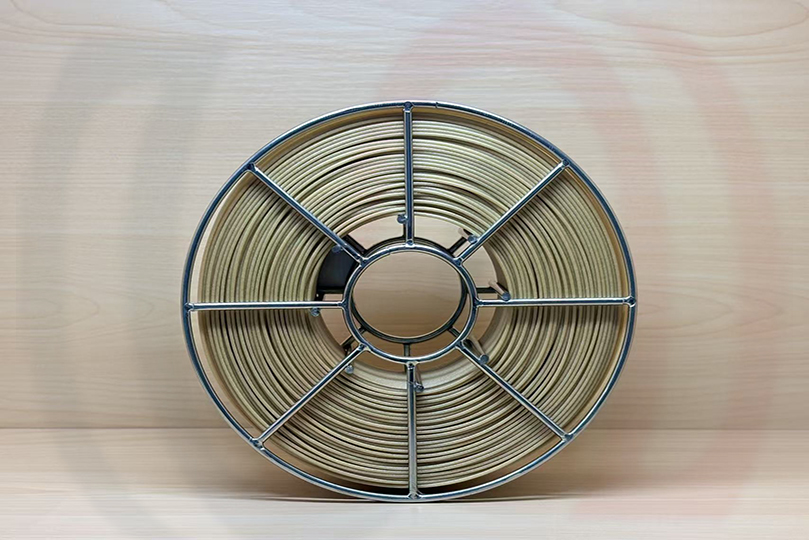
| PEI GF10% | 10% Glass Fiber | Enhanced dimensional stability; reduced shrinkage rate | Superior thermal stability under continuous heat | Increased flexural modulus and creep resistance | Load bearing structural mounts, rigid housings |
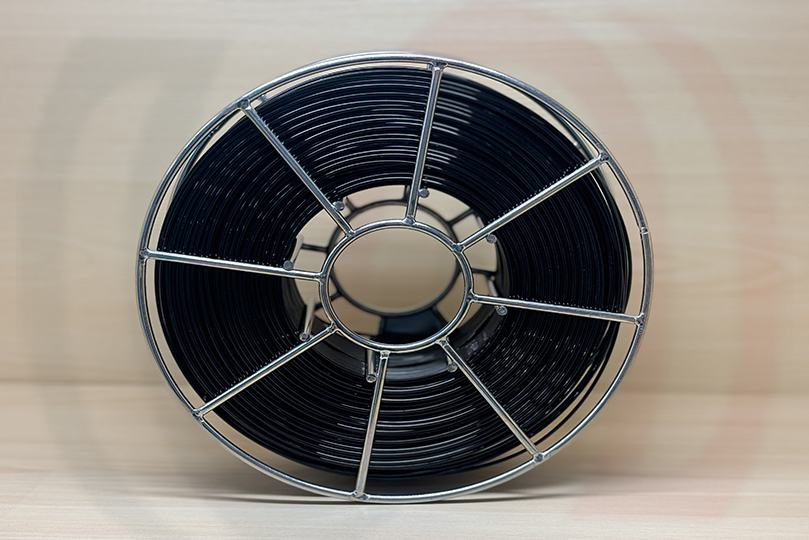
| PEI AUT200AR | Unfilled (Modified) | High flowability for easier printing of fine features | High temperature stability maintained | Smooth surface finish and precise detail reproduction | Complex thin walled parts, rapid production tooling |
Evaluating material grade metrics naturally leads to exploring how these characteristics serve real world operational environments.
Demanding sector environments impose rigorous regulatory frameworks alongside raw mechanical requirements. Material producers manufacture specialized stock shapes, raw granules, and stock profiles like PEI Rods & Boards to meet strict global certification criteria. Additive manufacturing fulfills these requirements while reducing assembly steps and material waste across critical industries.
Structural brackets, air ducting, and cabin interiors utilize lightweight high performance polymers certified under FAR 25.853 flame, smoke, and toxicity standards.
High strength jigs, fixtures, and custom manifolds manufactured with high performance engineering plastics offer high operational durability under mechanical load and continuous exposure to thermal cycles, providing an ideal complement to other options like PPSU & PSU & PES.
Under hood components and electrical housings leverage the polymer's high dielectric strength, resisting temperature spikes and continuous vibration in automotive environments.
Raw polymer purity, custom compounding additions like glass fiber reinforcement, tight diameter tolerance controls, and specific color matching directly impact final production costs. Developing custom formulations or requiring specific lot traceability typically requires two to four weeks for twin screw compounding, precision spooling, and laboratory verification. For accurate pricing based on your specific material requirements, contact Dongguan Shengwen New Materials engineering team directly.
Engineers often assume polyetherimide resists all industrial solvents equally well. While PEI handles automotive fluids and acids effectively, exposing unstressed parts to concentrated polar chlorinated solvents like methylene chloride causes rapid environmental stress cracking.
Overtightening metal fasteners directly against printed plastic faces induces high localized stress concentrations that trigger slow crack growth. Utilizing post annealed parts alongside press fit brass threaded inserts distributes clamping torque evenly across internal walls.
High performance Polyetherimide filament offers engineering teams an effective route toward replacing heavy metal components with lightweight functional parts. Mastering processing temperatures, controlling material moisture levels, and implementing proper post print annealing protocols ensures consistent yield strength across demanding industrial applications.
Selecting reliable materials backed by strict industry certifications remains essential for long term operational success. Partnering with experienced material suppliers allows organizations to optimize production parameters and streamline part validation. Contact our technical sales engineering team today to review your application specifications or request custom material quotes.
By continuing to use the site you agree to our privacy policy Terms and Conditions.