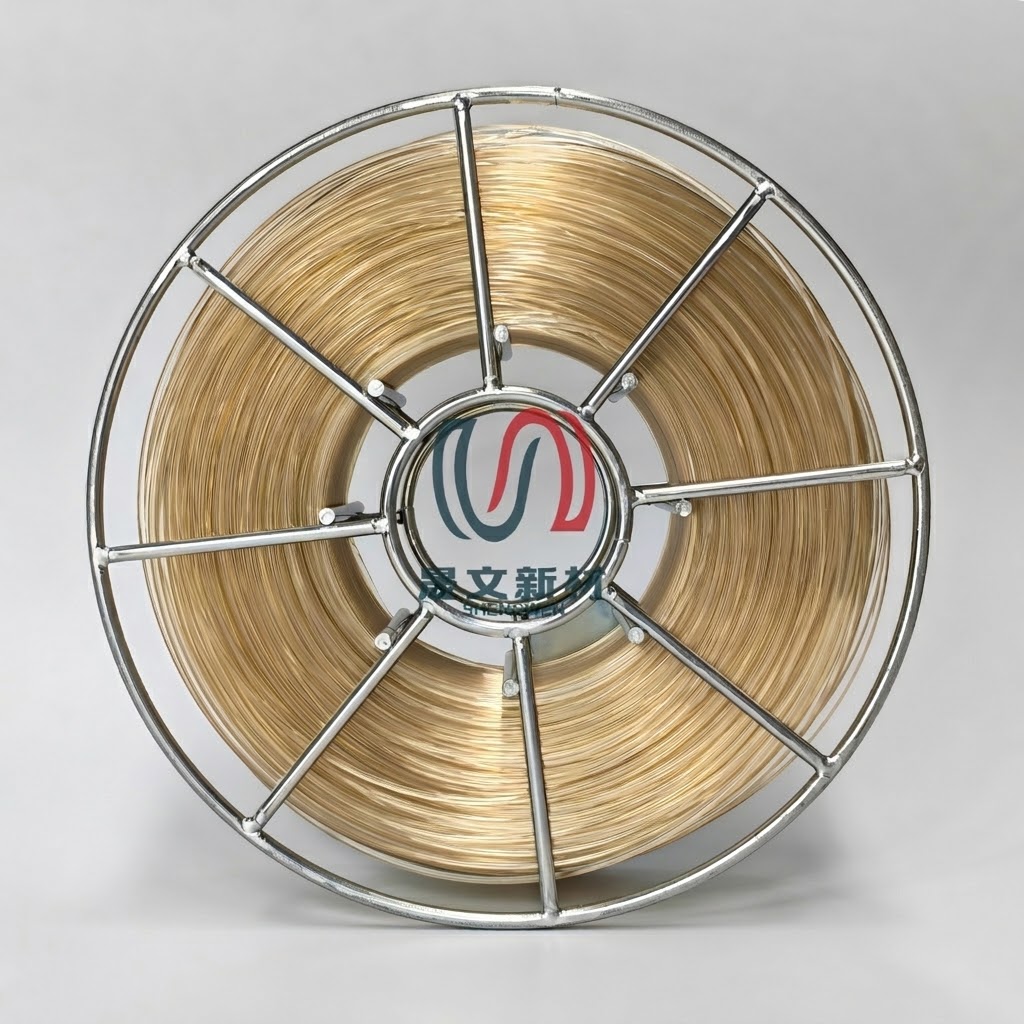
PPSU filament is a high performance engineering thermoplastic designed for 3D printing applications that require reliable heat resistance, toughness, chemical stability, and dimensional stability. It is suitable for industrial environments where printed parts may be exposed to elevated temperatures, moisture, steam, or mechanical stress.
However, material performance is only part of the purchasing decision. For industrial buyers, filament diameter consistency, stock availability, customization capability, and supply reliability are also important factors when choosing a supplier.
PPSU, also known as polyphenylsulfone, is an amorphous high performance engineering thermoplastic. It is known for its toughness, thermal stability, hydrolytic stability, and resistance to many chemicals.
When PPSU is produced as PPSU filament, these properties make it suitable for applications where standard materials may not provide enough long term performance. Printed PPSU parts can be used for functional prototypes, tooling, fixtures, and other industrial components operating under demanding conditions.
For industrial 3D printing, PPSU provides a useful balance between thermal performance and mechanical durability.
Its main properties include:
• Thermal stability: PPSU can maintain useful mechanical performance at elevated temperatures.
• Impact resistance: Its high toughness helps printed parts handle mechanical shock and repeated use.
• Hydrolytic stability: The material performs well in environments involving moisture, hot water, and steam.
• Chemical resistance: PPSU offers resistance to many chemicals and commonly used cleaning agents.
• Dimensional stability: Parts can maintain stable dimensions when exposed to demanding thermal and environmental conditions.
Actual performance can vary depending on the PPSU grade, part design, printing conditions, and the final operating environment. For this reason, buyers should evaluate the specific application before moving into production.
For more information about the polymer itself, see our PPSU material page.
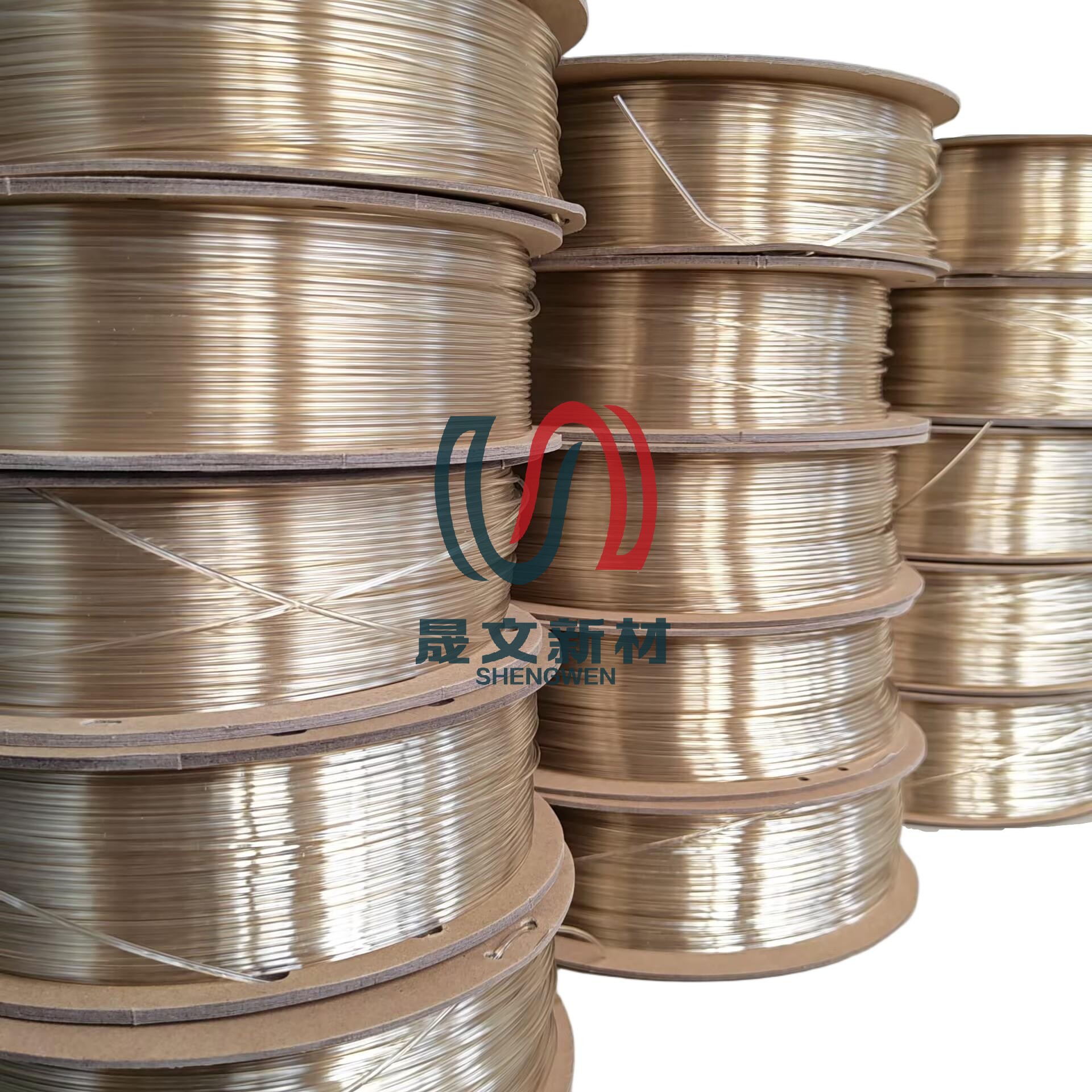
Because of its thermal stability and mechanical toughness, PPSU can be used as a high temperature 3D printer filament for applications where conventional materials may not provide sufficient performance.
Typical applications include functional prototypes, high temperature tooling, production fixtures, automotive components, aerospace parts, fluid handling components, electrical parts, and chemical resistant engineering components.
It is particularly useful when a printed part needs to combine toughness with resistance to heat, moisture, steam, or chemicals.
Before choosing PPSU filament for an industrial 3D printing project, it is important to confirm that the filament specifications match the printer and application requirements.
According to Tuntun Plastic, the standard PPSU filament has a diameter of 1.75 mm, an approximate length of 340 m, and a net weight of 1010 g per spool.
These standard specifications are suitable for regular industrial 3D printing requirements. If your project requires a different diameter, color, packaging format, or order quantity, customization can also be discussed based on your specific production needs.
For industrial users, material availability can be just as important as material performance. A suitable filament is of little use if supply interruptions delay prototype development or production schedules.
Standard 1.75 mm PPSU filament is maintained in regular stock to support ongoing purchasing requirements. For larger orders or scheduled manufacturing projects, customers can contact us to confirm current inventory and delivery arrangements before placing an order.
This approach gives buyers access to standard material when needed while allowing larger projects to plan supply around their production schedule.
Standard filament specifications do not always match every printing system or project. For this reason, customization options can be discussed for customers with specific technical or purchasing requirements.
Available options may include:
• Filament dimensions: Custom diameter tolerances or other required sizes.
• Color matching: Custom colors for product identification or specific project requirements.
• Spool packaging: Private labeling, custom spool sizes, and packaging options based on customer requirements.
• Production volume: Batch quantities can be arranged according to project demand.
The combination of regular stock and customization support makes PPSU filament suitable for both routine purchasing and specialized engineering projects.
PPSU, PEI, and PEEK are all high performance engineering polymers, but each material offers a different balance of properties. The table below provides a general comparison for industrial material selection.
| Material | Key Characteristics | Typical Selection Considerations |
| PPSU | High toughness, good thermal stability, hydrolytic stability, and chemical resistance | Suitable for applications requiring a balanced combination of heat resistance, toughness, and environmental stability |
| PEI | High thermal stability, good strength, and dimensional stability | Often selected for parts that require stable performance at elevated temperatures |
| PEEK | Very high mechanical performance and excellent temperature resistance | Commonly considered for demanding applications with high mechanical loads or more extreme temperature requirements |
The best choice depends on the actual operating temperature, mechanical load, chemical exposure, part design, and available printing equipment rather than temperature resistance alone. You can explore our 3D printing filaments to compare other high performance materials used for industrial printing.
PPSU is intended for high performance 3D printing applications, so the printing process should match the material and equipment requirements.
Before production, it is important to confirm whether the printer can provide suitable processing conditions for PPSU. Filament storage and drying requirements should also be considered, especially when stable print quality is required over longer production runs.
For industrial projects, we recommend confirming the application, printer configuration, filament specification, and expected operating conditions before finalizing the material selection.
The standard PPSU filament diameter is 1.75 mm. If your printer or project requires a different specification, contact us to discuss available customization options.
Yes. Standard PPSU filament is available for regular purchasing requirements. For bulk orders or scheduled projects, customers can contact us to confirm current inventory and delivery time.
Yes. Requirements for filament diameter, color, packaging, order quantity, and other production specifications can be discussed according to the project.
Polyphenylene sulfone (PPSU) filament delivers a reliable combination of thermal stability, mechanical toughness, and chemical resistance for demanding industrial 3D printing applications.
Beyond core material performance, smooth production relies heavily on consistent filament diameter, dependable stock availability, and responsive technical support.
If you are evaluating PPSU for an upcoming project, feel free to contact our technical team to review your application requirements, confirm stock availability, or request tailored processing guidance.
By continuing to use the site you agree to our privacy policy Terms and Conditions.