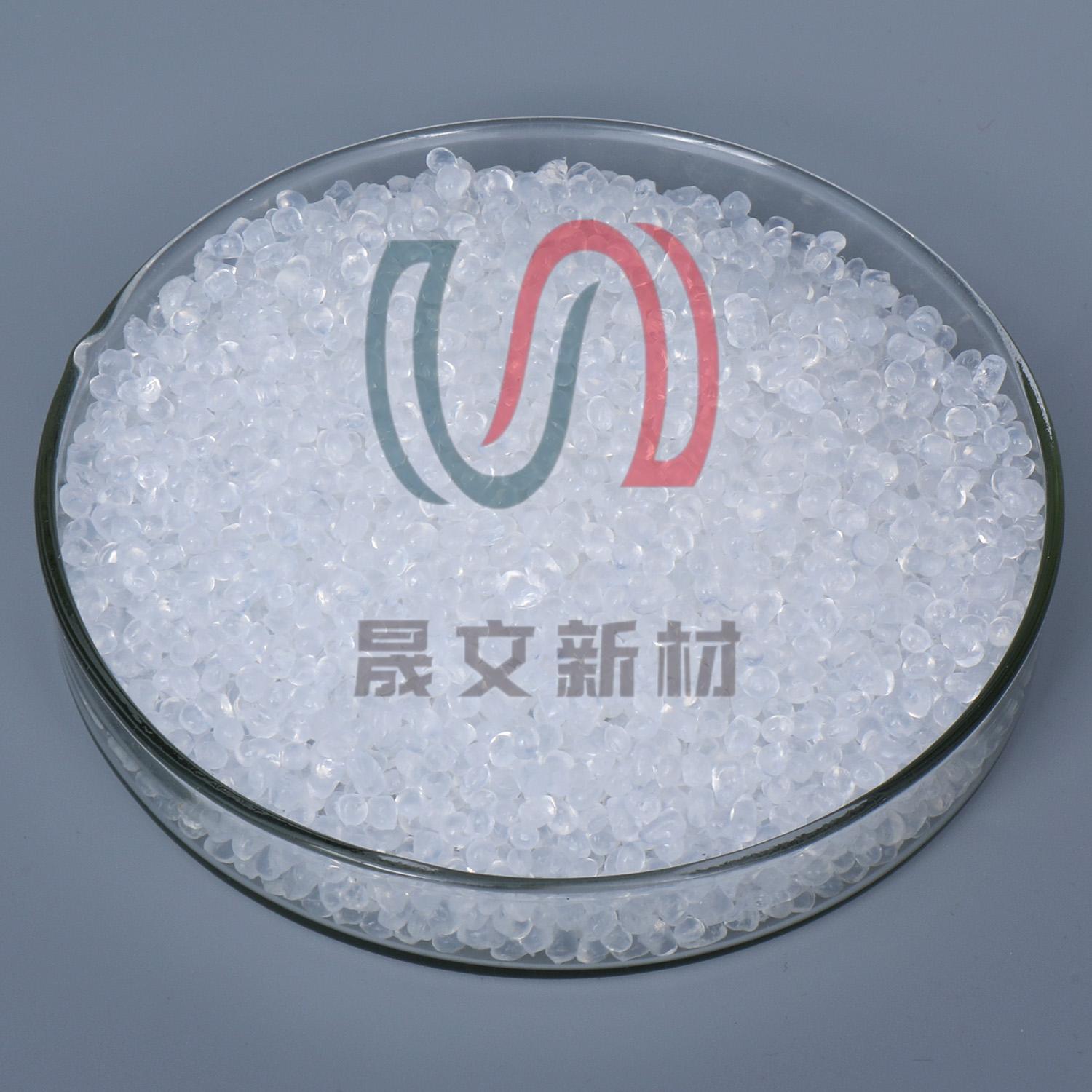
In precision manufacturing, dimensional stability is one of the most critical performance indicators. Even small dimensional changes can affect assembly accuracy, functional reliability, and long-term service life. As a result, material selection plays a decisive role in ensuring consistent part quality. Among engineering plastics, PA12 (Polyamide 12) has become a widely recognized solution for precision parts that require stable dimensions under changing environmental and processing conditions.
This article explains how PA12 improves dimensional stability in precision parts, focusing on its material structure, moisture behavior, thermal performance, processing characteristics, and long-term stability—based entirely on established material properties and industrial practice.
To begin with, dimensional stability directly determines whether a precision part can maintain its intended shape and size over time. In applications such as medical devices, electronic components, fluid systems, and mechanical assemblies, even slight dimensional deviations may lead to misalignment, leakage, noise, or premature failure.
Compared with metals, engineering plastics offer advantages such as lighter weight and easier processing. However, plastics are more sensitive to factors like moisture, temperature, and internal stress. Therefore, choosing a plastic material with inherently stable dimensions is essential. This is where PA12 stands out among polyamide materials.
PA12 is a semi-crystalline engineering plastic belonging to the polyamide family. Compared with commonly used PA6 and PA66, PA12 has a longer molecular chain and a lower concentration of amide groups. This structural difference leads to more balanced mechanical properties and improved environmental stability.
Because of these characteristics, PA12 is widely used in precision parts where consistent dimensions are required. Typical applications include precision gears, housings, connectors, fluid control components, and structural parts that must maintain tight tolerances during use.
One of the most important reasons PA12 performs well in precision parts is its low moisture absorption. Moisture absorption is a key factor that causes dimensional changes in many nylon materials.
Compared with PA6 and PA66, PA12 absorbs significantly less water. This lower absorption rate reduces swelling and dimensional variation in humid or wet environments. As a result, parts made from PA12 maintain their original dimensions more reliably during storage, processing, and long-term use.
For precision assemblies, this stability means fewer tolerance shifts, improved fit, and more predictable performance. In practical terms, PA12 reduces the need for frequent recalibration or compensation in design.
In addition to moisture, temperature variation also affects dimensional stability. Engineering plastics expand and contract with temperature changes, which can influence precision.
PA12 offers good dimensional stability across a wide temperature range. Its balanced thermal expansion behavior helps minimize size changes when parts are exposed to heat during operation or environmental fluctuations. This makes PA12 suitable for applications involving thermal cycling, where repeated heating and cooling can otherwise cause deformation.
Thanks to this stability, PA12 is often used in parts that operate near heat sources or experience variable working temperatures without compromising dimensional accuracy.
Processing behavior also plays a major role in dimensional control. During injection molding, uneven or unpredictable shrinkage can lead to warping or dimensional inconsistency.
PA12 exhibits controlled and relatively uniform shrinkage during molding. This predictable behavior allows mold designers to compensate accurately for shrinkage, improving part consistency across production batches. As a result, PA12 supports high repeatability and stable mass production of precision components.
This advantage is particularly valuable for manufacturers producing tight-tolerance parts where consistency between batches is essential.
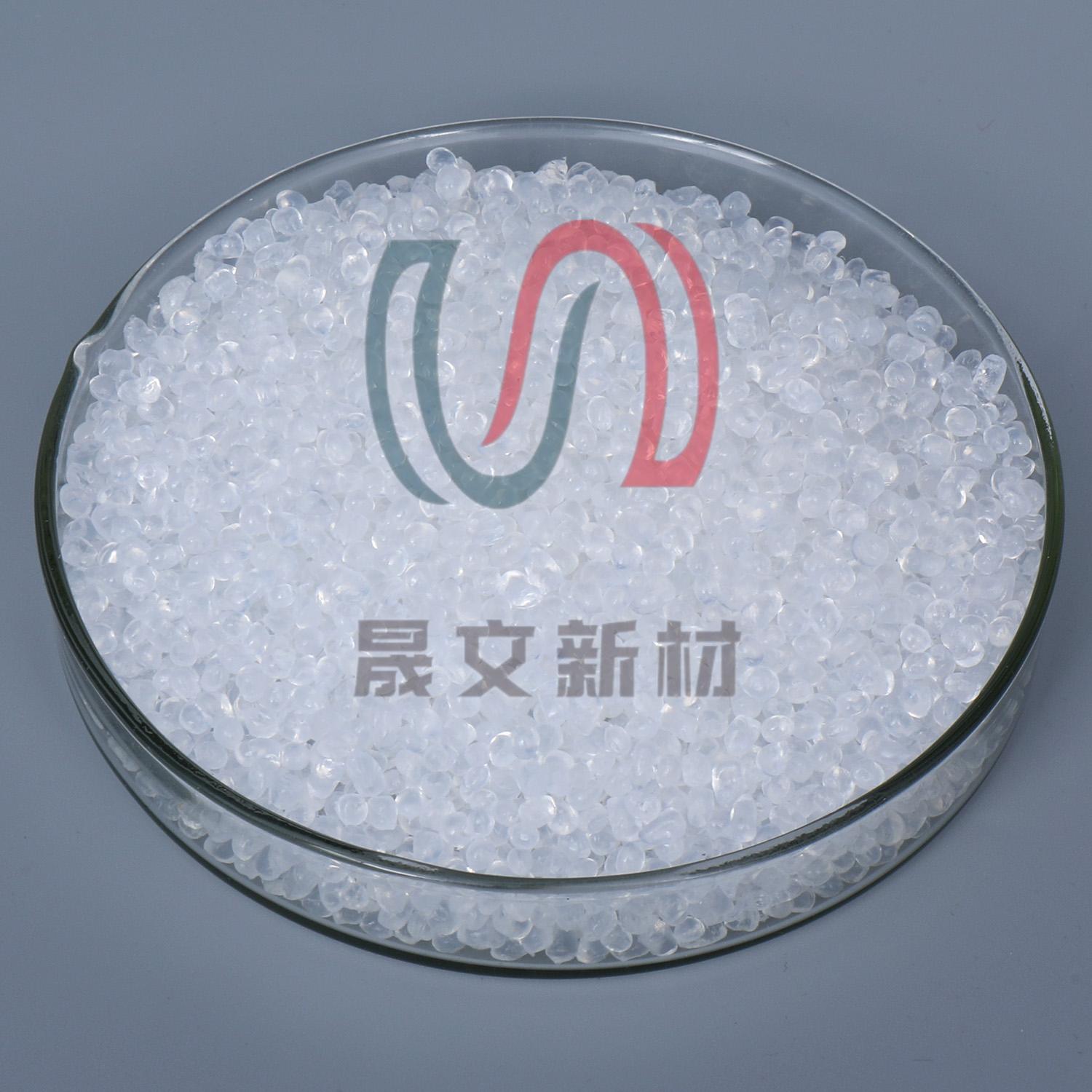
Another key factor affecting dimensional stability is creep, which refers to gradual deformation under continuous load. Over time, creep can cause precision parts to lose their original shape.
PA12 demonstrates good creep resistance compared with many standard nylon materials. Under long-term mechanical stress, PA12 parts maintain their geometry more effectively, helping preserve dimensional accuracy throughout their service life.
This property makes PA12 suitable for precision structural parts that must bear continuous loads without deformation, such as support components, fastening elements, and functional housings.
In addition to injection molding, PA12 is also widely used in CNC machining from rods, boards, or other semi-finished forms. During machining, internal stress release and heat generation can cause dimensional changes in some plastics.
PA12’s stable internal structure helps reduce deformation during cutting, drilling, and milling. After machining, parts tend to retain their dimensions well, making PA12 a reliable choice for precision-machined components.
This stability simplifies tolerance control and improves machining yield, especially for complex or high-precision parts.
Because of its dimensional stability, PA12 is commonly used in a wide range of precision applications, including:
In these applications, PA12 helps ensure consistent fit, reliable function, and long-term performance.
To fully benefit from PA12’s dimensional stability, proper design and processing are important. Reasonable wall thickness, balanced structures, and controlled molding parameters help minimize internal stress. Proper drying before processing also supports stable performance.
By considering these factors during design and production, manufacturers can further enhance the dimensional reliability of PA12 precision parts.
In summary, PA12 improves dimensional stability in precision parts through a combination of low moisture absorption, stable thermal behavior, controlled molding shrinkage, good creep resistance, and reliable machining performance. These proven material characteristics make PA12 a dependable choice for precision manufacturing across multiple industries.
Shengwen specializes in PA12 materials and provides professional material solutions for precision applications. With stable quality and customization capabilities, Shengwen supports manufacturers in achieving reliable dimensional performance in precision parts. Contact Shengwen to learn more about PA12 material solutions for your specific needs.
By continuing to use the site you agree to our privacy policy Terms and Conditions.